
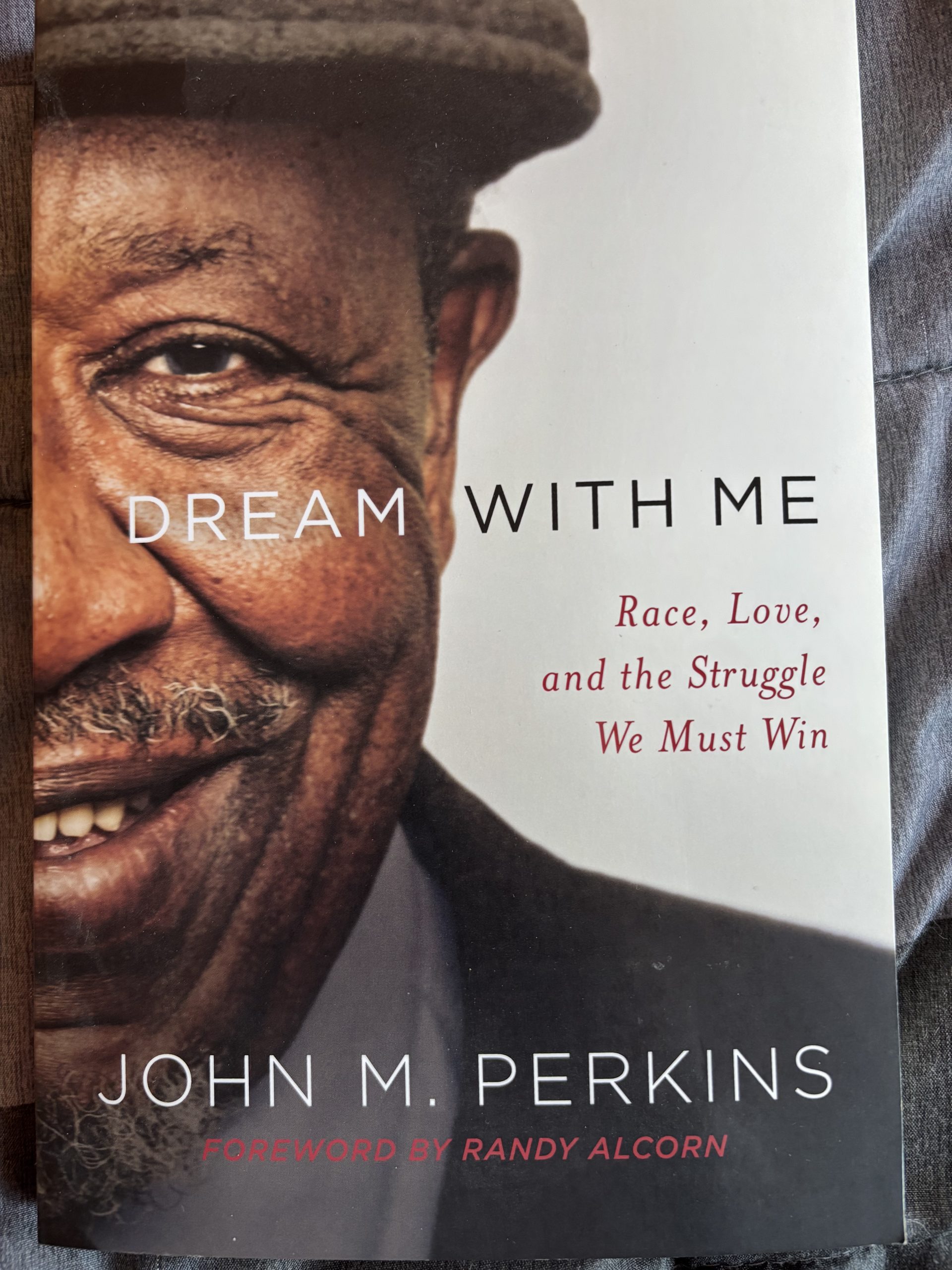
 Born into poverty in 1930 in Mississippi, John M. Perkins rose to become a civil rights legend, counselor to presidents, a towering community development leader, and one of the most important voices for civil rights in the evangelical Christian community. Perkins left the South when he was 17; however, after he converted to Christianity, he returned to Mississippi in 1960, leading efforts for civil rights and economic justice despite being jailed and beaten and harassed in many ways.
John and his wife, Vera, created community organizations and ministries that live today in many forms, including Mendenhall Ministries, Harambee Ministries, the Christian Community Development Association, and the John and Vera Mae Perkins Foundation. Through these efforts and more, the Perkins have supported farming, thrift stores, youth and adult education, housing development, health centers, summer camps, Bible clubs and more in Mendenhall, Mississippi, and Pasadena, California, Chicago, and more than 100 cities and towns nationwide.
A third-grade dropout, Perkins has written or co-written more than a dozen books and received honorary doctorates from at least 16 universities. Seattle Pacific University launched the campus-based John Perkins Center for Reconciliation, Leadership Training, and Community Development in 2004 and Calvin University created the John M. Perkins Leadership Fellows Program in 2012. Christianity Today in 2006 included Perkins’ book, Let Justice Roll Down as one of the top 50 books that have shaped the evangelical Christian community.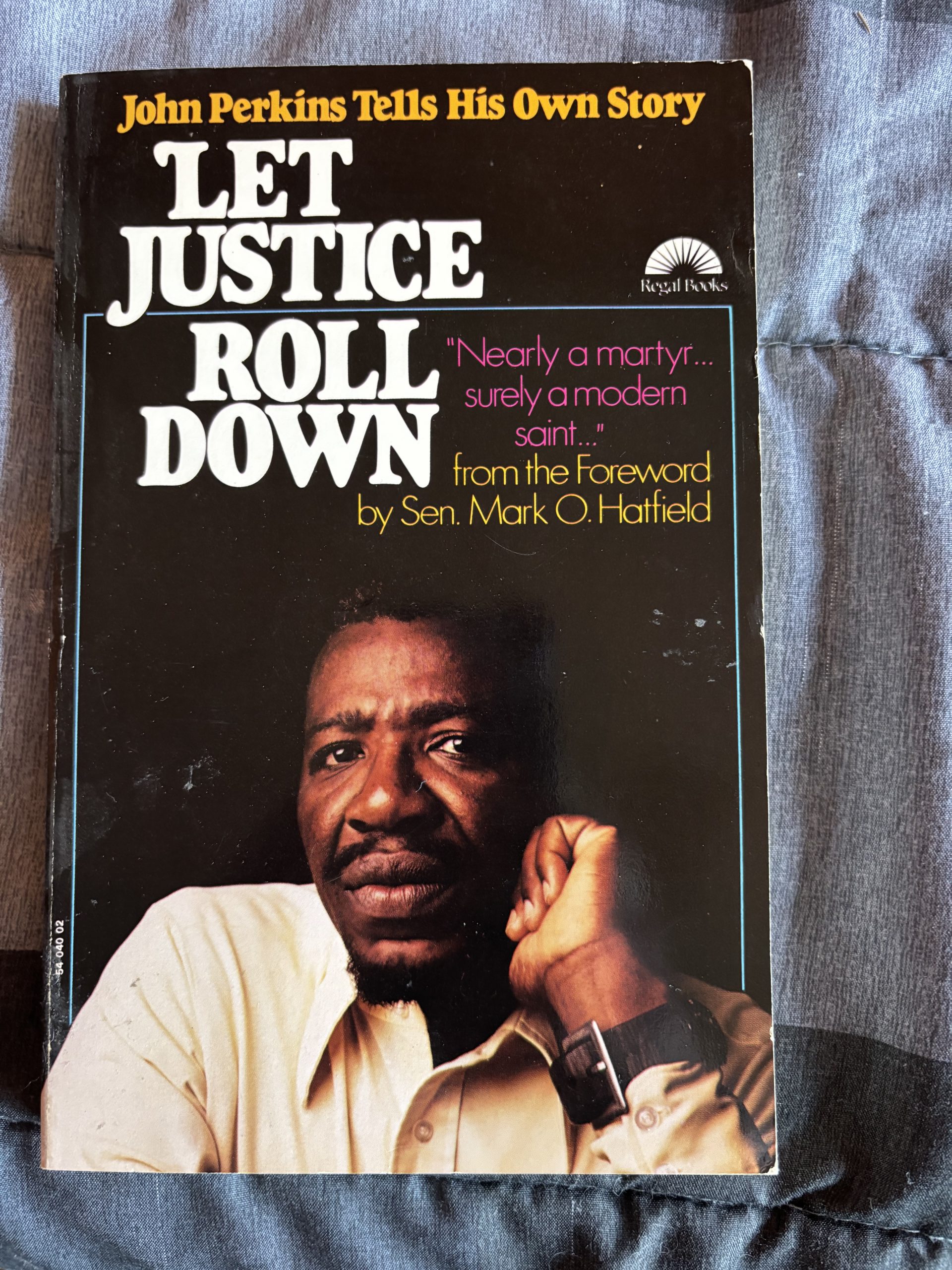
Greg Fromholz created a short documentary in 2018 about Perkins’ remarkable life. Redemption: The John M. Perkins Story is described as a “documentary of civil rights, justice, family, and forgiveness.” In the documentary, Perkins tells about when he was beaten and tortured by law enforcement and how that experience shaped his life and theology. “I believe love and justice are one and the same,” he says.
In a recent note about Black History Month from Baker Book House, Perkins admits that he has “always been a dreamer.” But he adds, “As much as we need to dream, we must also never forget what has happened in the past. We know how much farther we can go partly by seeing and marveling at how far God has already brought us. I have never stopped being amazed by God’s redemptive love and His willingness to allow us to participate in spreading that love.”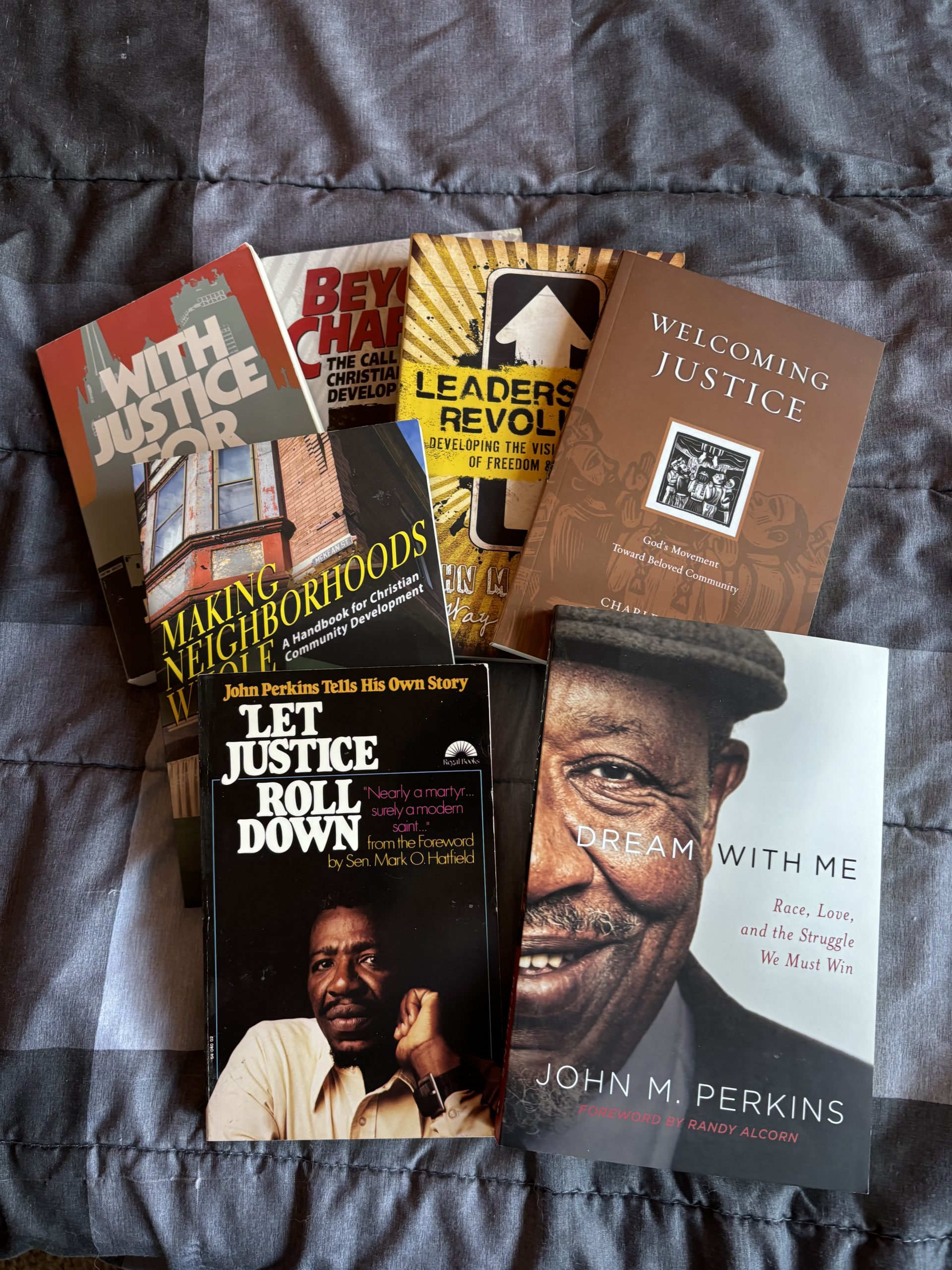
0 Comments